
 By admin
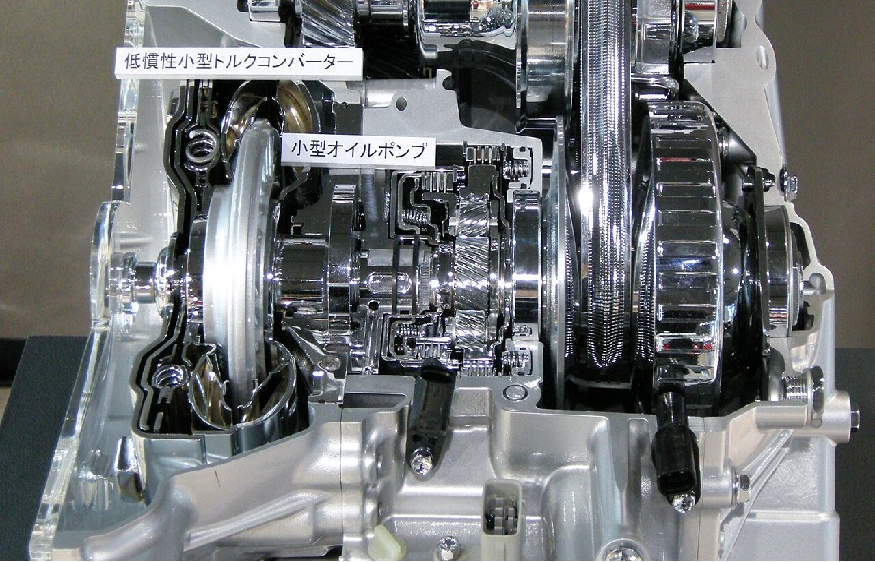
Ever had a mechanic tell you your CVT is “done” and quote you a number that’s more than the car feels worth? You’re in a big club. Continuously variable transmissions are now standard in a huge share of Japanese compacts and crossovers, and when one fails, owners tend to make the same handful of expensive mistakes.
Here are five that come up again and again, plus what to do instead.
1. Skipping the warranty and bulletin check
This one costs people real money. Nissan extended the CVT warranty on several models after class-action settlements, stretching coverage from 60 months or 60,000 miles to 84 months or 84,000 miles, whichever comes first. According to Nissan’s bulletins, that included the 2014 to 2018 Rogue, the 2015 Rogue Select and the 2015 to 2018 Pathfinder, with separate extensions for some Maxima and Murano years.
Read More: Protecting your car bodywork: A lasting investment.
By now most of those 84-month windows have run out, so the point isn’t that your 2016 Rogue is still covered. It probably isn’t. The point is that manufacturers quietly extend coverage, issue service bulletins and push software updates for known transmission problems all the time, and an independent shop quoting a replacement won’t always check. On a newer car still inside its powertrain warranty, or one with an open bulletin, a five-minute VIN lookup at a dealer can save the whole bill. Coverage is confirmed by VIN, not by model, because some owners opted out of those settlements.
And when coverage really has run out, which is where most ten-year-old cars end up, the next question is where the replacement comes from. Specialist importers like Texas JDM Motors sell low-mileage units pulled from cars retired in Japan, which is often a cheaper starting point than a new or remanufactured transmission.
2. Replacing a transmission that only needed fluid or software
Not every shudder is a dead CVT. Old or wrong fluid, a transmission control module that needs reprogramming, or a failing sensor can all make a healthy CVT behave badly.
Before you approve a replacement, ask the shop what codes they pulled, whether the fluid was checked for condition and level, and whether the software is current. A dealer can tell you if there’s a reflash for your car. These checks cost a fraction of a transmission.
3. Buying a used CVT by year, make and model alone
This is the classic used-parts mistake, and CVTs make it worse.
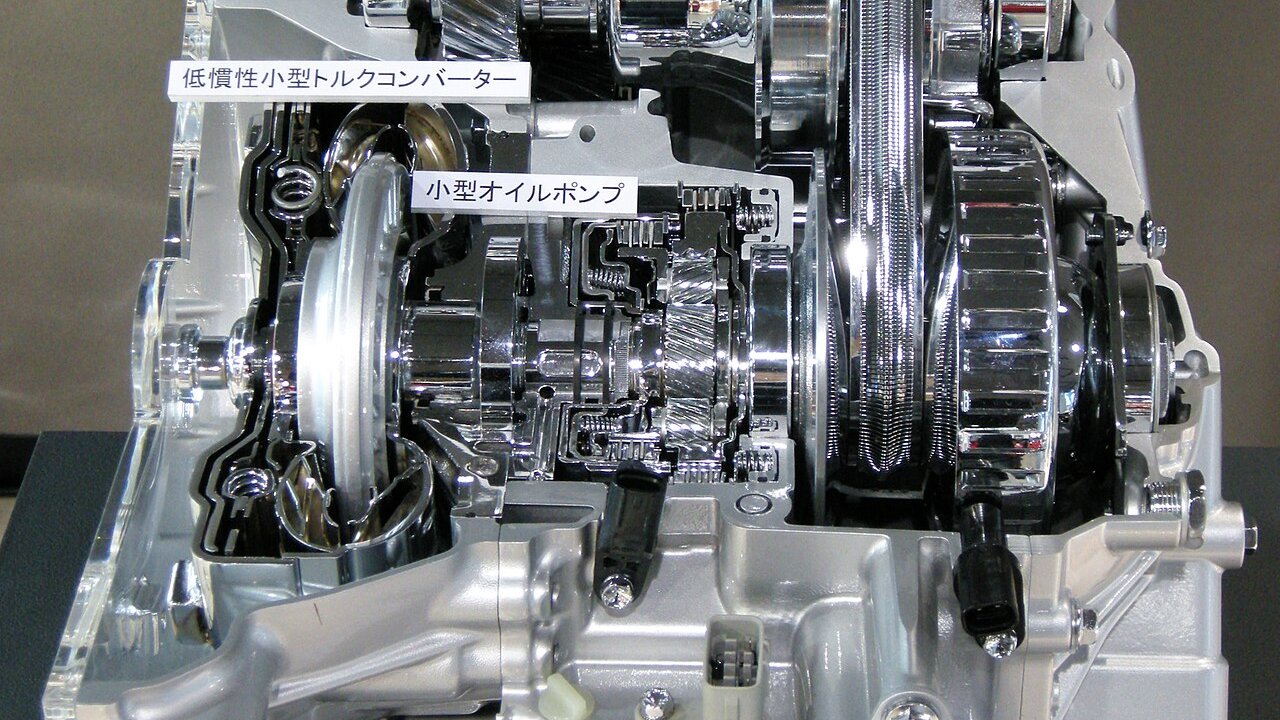
Nissan used several generations of Jatco CVT across the same model names, with different internals, connectors and software. A unit that “fits a Sentra” may not fit your Sentra. Match the transmission’s model code and part number, and confirm with your VIN. If you’re buying a Japanese-market unit, make sure the seller has matched it to the US application, because Japanese and American model years don’t always line up.
4. Ignoring the cooler and the TCM
Here’s the sneaky one. A CVT that failed internally sends debris through the cooler and lines. Bolt in a fresh transmission without flushing or replacing the cooler, and you’re feeding the new unit the old one’s metal.
Read More: Protecting your car bodywork: A lasting investment.
Same goes for the transmission control module. Many CVTs need the TCM programmed or calibration data transferred when the transmission is replaced. Skip it and you get harsh engagement, limp mode, or a car that never feels right. Ask your installer how they handle both before the job starts, not after.
5. Going back to the same habits
CVTs aren’t fragile, but they’re less forgiving than a conventional automatic. Heat is their enemy. Towing near the limit, sitting in stop-and-go traffic in a Texas summer, or stretching fluid changes far past what the maker recommends for severe use will shorten their life.
A few cheap habits go a long way:
- Change the CVT fluid on the severe-service schedule if you drive in heat or heavy traffic.
- Use the exact fluid the manufacturer specifies. Universal fluids are a gamble.
- Don’t treat a small crossover like a tow vehicle.
- Get any new shudder or whine looked at early, while it might still be a fluid or software fix.
A failed CVT feels like a disaster, but it’s often a manageable repair if you check your warranty first, rule out the cheap fixes, buy the right unit, and protect it once it’s in. Most CVT horror stories start with skipping one of those steps.